
How Do Dental Cavities Spread Between Teeth?
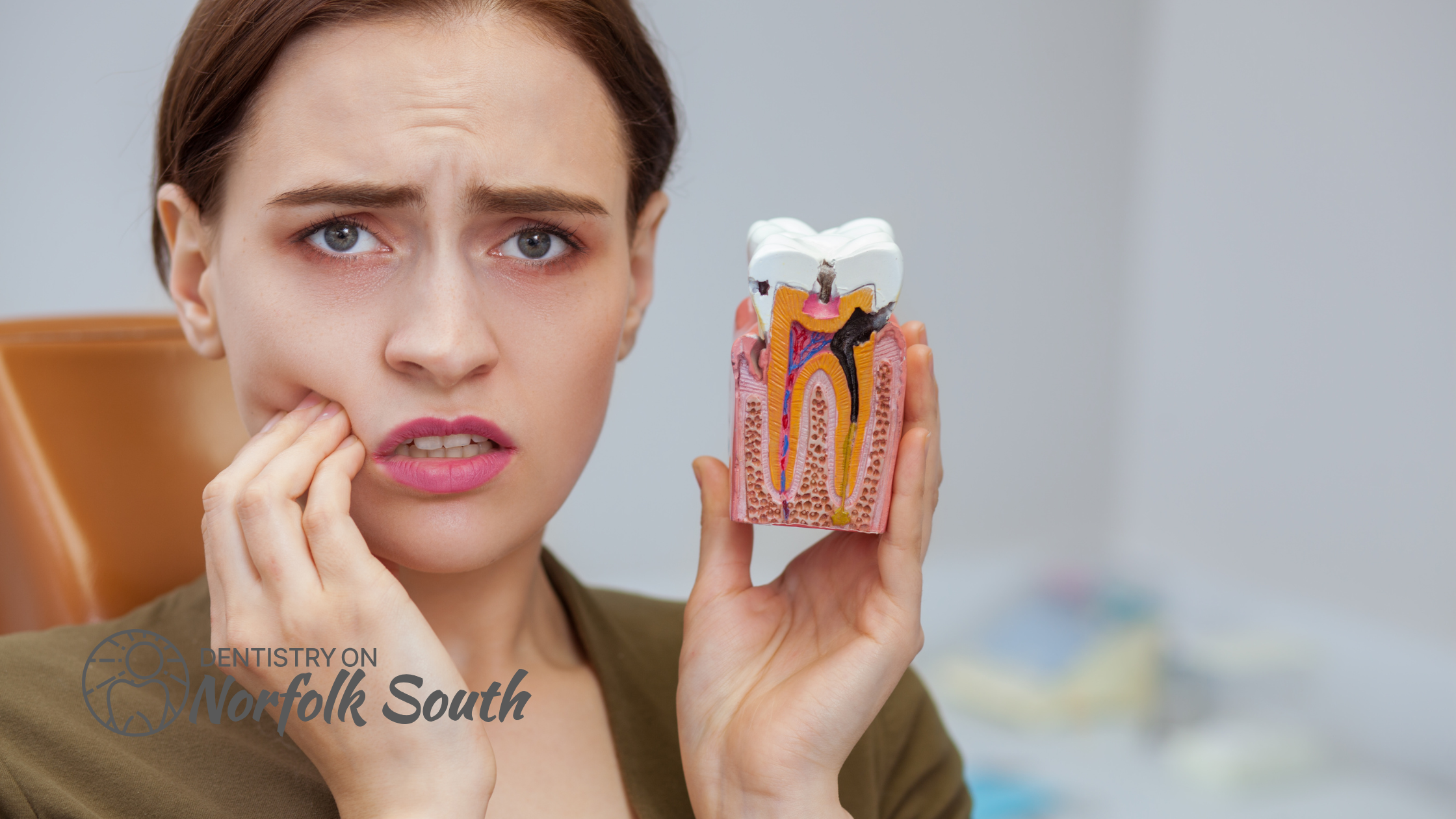
Over time, you may notice dental cavities appearing more frequently in your mouth. Understanding how these cavities spread between your teeth is vital for maintaining your oral health.
Cavities are caused by the accumulation of plaque, which creates acids that damage tooth enamel. When left untreated, these cavities can spread to adjacent teeth, leading to more significant dental issues.
In this post, you’ll learn about the mechanisms behind cavity spread, helping you take proactive steps to protect your smile.
Key Takeaways
- Cavities spread between teeth primarily due to acid-producing bacteria in plaque, which can be transferred via saliva and close oral contact.
- Good oral hygiene and a diet low in sugar are essential to prevent cavity formation and limit their spread between adjacent teeth.
- Untreated cavities can cause serious dental and overall health problems, making regular dental visits crucial for early detection and care.
The Role of Bacteria in Tooth Decay
Bacteria play a pivotal role in the development and spread of dental cavities. In your mouth, numerous bacterial species thrive, particularly those that metabolize sugars and produce acids. These acids erode tooth enamel, especially when decay-causing bacteria like Streptococcus mutans adhere to your teeth.
“A balanced diet and regular brushing with fluoride toothpaste are your best defense against Streptococcus mutans, as these steps minimize the sugars that fuel acid production and protect your enamel’s integrity.” – Dr. Nikita Khurana, Dentist in Norfolk Street South in Simcoe, ON
As you eat sugary foods, these bacteria convert sugars into acid, a process that accelerates tooth decay and can affect multiple teeth if left unchecked.
Understanding Oral Microbiome Dynamics
Your oral microbiome consists of diverse bacterial communities that interact within your mouth. These bacteria form biofilms, which cling to your teeth and gums.
When sugar consumption increases, harmful bacteria can outnumber beneficial ones, shifting the balance and creating an environment conducive to tooth decay. This complex ecosystem highlights how your dietary choices can influence not just one tooth, but potentially many, leading to widespread issues in your oral health.
Pathways of Bacterial Transmission Between Teeth
Bacteria can easily spread between teeth through several mechanisms. Saliva is a significant vector, transporting bacteria from one surface to another, especially during activities such as eating or brushing.
Additionally, the act of sharing utensils or kissing can further introduce harmful bacteria into your mouth, increasing the risk of developing cavities on adjacent teeth.
Studies show that saliva can contain millions of bacteria, making it a prime vehicle for transmission. If one tooth is affected by decay, bacteria from that tooth can migrate to neighboring teeth, increasing their susceptibility.
Additionally, improper brushing or using contaminated floss may inadvertently spread bacteria around your mouth, facilitating their spread. Thus, maintaining good oral hygiene becomes crucial not just for one tooth’s health but for the integrity of your entire mouth.
The Anatomy of Cavities: How They Form and Spread
Cavities, or dental caries, begin with the demineralization of enamel, the outer protective layer of your teeth. Bacteria in dental plaque convert sugars from your diet into acids, which can erode enamel and create tiny openings.
If left untreated, these openings can deepen, reaching the dentin beneath the enamel, which is softer and more susceptible to decay. As decay progresses, it can quickly spread from one tooth to adjacent ones, especially if oral hygiene isn’t meticulously maintained.
Enamel Erosion and Dentin Involvement
The process of cavity formation starts with enamel erosion, as acidic byproducts from bacteria weaken this hardness. Once the enamel’s integrity is compromised, exposed dentin becomes vulnerable.
The dentin contains microscopic tubules that can transmit the discomfort of decay and allow bacteria to penetrate deeper, spreading the cavity not just within the affected tooth but also inviting other teeth into the decay process through shared bacteria and food particles.
The Influence of Diet and Hygiene on Cavity Development
Your diet plays a significant role in cavity development, particularly the frequency and amount of sugar intake. Bacteria metabolize sugars and carbohydrates, producing acids that promote enamel erosion.
Equally important, your oral hygiene routine directly impacts how effectively you can combat cavity formation. Failing to brush and floss regularly allows plaque buildup, accelerating decay and increasing the risk of spreading cavities to neighboring teeth.
Factors Accelerating Cavity Spread Among Teeth
Multiple factors contribute to the rapid spread of cavities between your teeth. Poor oral hygiene allows plaque, a sticky film of bacteria, to accumulate and produce acids that erode enamel.
A diet high in sugars and carbohydrates fuels these bacteria. Additionally, age and genetics play significant roles in your susceptibility to decay, while avoiding regular dental check-ups can exacerbate the problem.
- Poor oral hygiene habits
- Diet rich in sugar and carbohydrates
- Age and genetic predisposition
- Lack of regular dental visits
This cyclical relationship increases the risk of cavities spreading quickly between your teeth.
The Impact of Saliva and Oral pH Levels
Saliva serves as a natural defense against cavities by neutralizing acids and promoting remineralization of the enamel. Factors such as dehydration and medications can lower saliva production, leading to an acidic environment in your mouth.
“Staying hydrated and chewing sugar-free gum can stimulate saliva production, which is essential for maintaining a balanced oral pH and supporting enamel repair.” – Dr. Nikita Khurana, Dentist in Norfolk Street South in Simcoe, ON
A consistently low oral pH encourages bacterial growth and weakens enamel, facilitating the spread of cavities.
Connection Between Gum Disease and Cavity Transmission
Your gum health directly affects cavity risk. Gum disease, characterized by inflammation and infection, creates pockets that harbor harmful bacteria. These bacteria can spread to adjacent teeth, accelerating decay. Moreover, gum disease can complicate your ability to maintain proper oral hygiene, further increasing vulnerability to cavities.
“Healthy gums act as a barrier to harmful bacteria—inflammation or infection in your gums threatens gum health and sets the stage for bacteria to migrate to your teeth, intensifying your risk for cavities.” – Dr. Nikita Khurana, Dentist in Norfolk Street South in Simcoe, ON
Studies indicate that individuals with periodontal disease are at a higher risk for experiencing cavities due to the dense bacterial colonies that thrive in these gum pockets. As these bacteria accumulate, they can invade the protective barriers of your teeth, leading to a higher likelihood of decay extending from one tooth to another.
According to the Canadian Dental Association, gum disease can indirectly contribute to cavity development by complicating daily oral hygiene routines and allowing bacteria to thrive in inflamed gum pockets.
Regular dental cleanings and good gum health are necessary in mitigating this risk and maintaining the integrity of your teeth.
Preventive Strategies to Curb Cavity Spread
Implementing effective preventive strategies can significantly reduce the risk of cavities spreading between your teeth. Maintaining a conscious effort towards oral health protects existing enamel and fortifies your dental defenses against bacteria.
Simple habits and lifestyle adjustments pave the way for a healthier mouth, ultimately playing a crucial role in long-term wellbeing.
Effective Oral Hygiene Practices
Brushing twice a day with fluoride toothpaste and flossing daily are fundamental to maintaining oral hygiene. These practices remove food particles and plaque that can lead to cavities.
Consider using an antiseptic mouthwash containing chlorhexidine or essential oils, as recommended by your dental professional.
Nutritional Adjustments for Dental Health
Your diet has a substantial impact on your dental health. Reducing sugar intake is necessary, as sugary foods and beverages fuel cavity-causing bacteria.
Incorporating more fiber-rich fruits and vegetables, whole grains, and dairy products can enhance your oral health by promoting saliva production and providing necessary nutrients.
Focusing on specific dietary choices can fortify your teeth against decay. For instance, crunchy fruits like apples and raw vegetables can naturally clean teeth surfaces and stimulate gums.
Dairy products, rich in calcium and phosphates, aid in remineralizing enamel, while sugar substitutes like xylitol can help disrupt bacterial growth without feeding them. Incorporating these foods into your diet not only improves your overall health but also strengthens your defences against tooth decay.
The Unseen Consequences of Untreated Cavities
Ignoring cavities can lead to a cascade of dental issues that extend far beyond the initial decay. As bacteria flourish unchecked, they can cause severe pain, infection, and even tooth loss.
The decay can spread to adjacent teeth, leading to further complications that require more extensive and costly treatments down the line, such as root canals or crowns. Regular visits to your dentist can greatly mitigate these risks by catching problems early.
Potential for Progressive Tooth Decay
Untreated cavities can rapidly progress, eroding not only the enamel but also penetrating deeper into the tooth structure. Once decay reaches the dentin, it spreads faster due to the softer nature of this layer.
This unchecked progression increases your risk of developing abscesses and necessitates more invasive interventions, potentially leading to tooth extraction in severe cases.
Long-term Effects on Overall Health and Well-being
The ramifications of untreated cavities are not confined to your mouth. Chronic dental issues can negatively impact your overall health by contributing to systemic conditions such as heart disease and diabetes.
The bacteria from oral infections can enter your bloodstream, leading to inflammation and other health complications that can affect your quality of life.
Moreover, the pain and discomfort associated with advanced cavities can lead to difficulty eating or sleeping, which can further impact your physical and mental well-being. Studies have shown that individuals with poor oral health are at a higher risk of developing systemic conditions such as cardiovascular disease and respiratory infections.
Therefore, maintaining dental health isn’t just about preserving your smile; it’s a vital component of your overall health strategy.
Final Words
So, understanding how dental cavities spread between teeth is imperative for maintaining your oral health. Bacteria thrive in plaque and can easily spread between teeth, especially in the presence of untreated decay or inadequate oral hygiene.
By practicing good oral hygiene, including regular brushing, flossing, and dental check-ups, you can effectively minimize the risk of cavities spreading. Stay proactive about your dental care to ensure a healthier smile for years to come.
Protect Your Smile—Book an Appointment Today
If you’re concerned about cavities spreading between your teeth or just due for a routine checkup, the team at Dentistry on Norfolk is here to help. Early detection and preventive care can make all the difference. Visit our welcoming clinic conveniently located on Norfolk Street South in Simcoe, ON, and let our experienced dental professionals guide you toward better oral health.
Contact us today to schedule your appointment!
Reviewed by: Dr. Nikita Khurana
Ready to Book Your Visit?
Our team at Dentistry on Norfolk South is here to help. Request an appointment online or give us a call.