
How General Dentistry Prevents the Need for More Complex Procedures
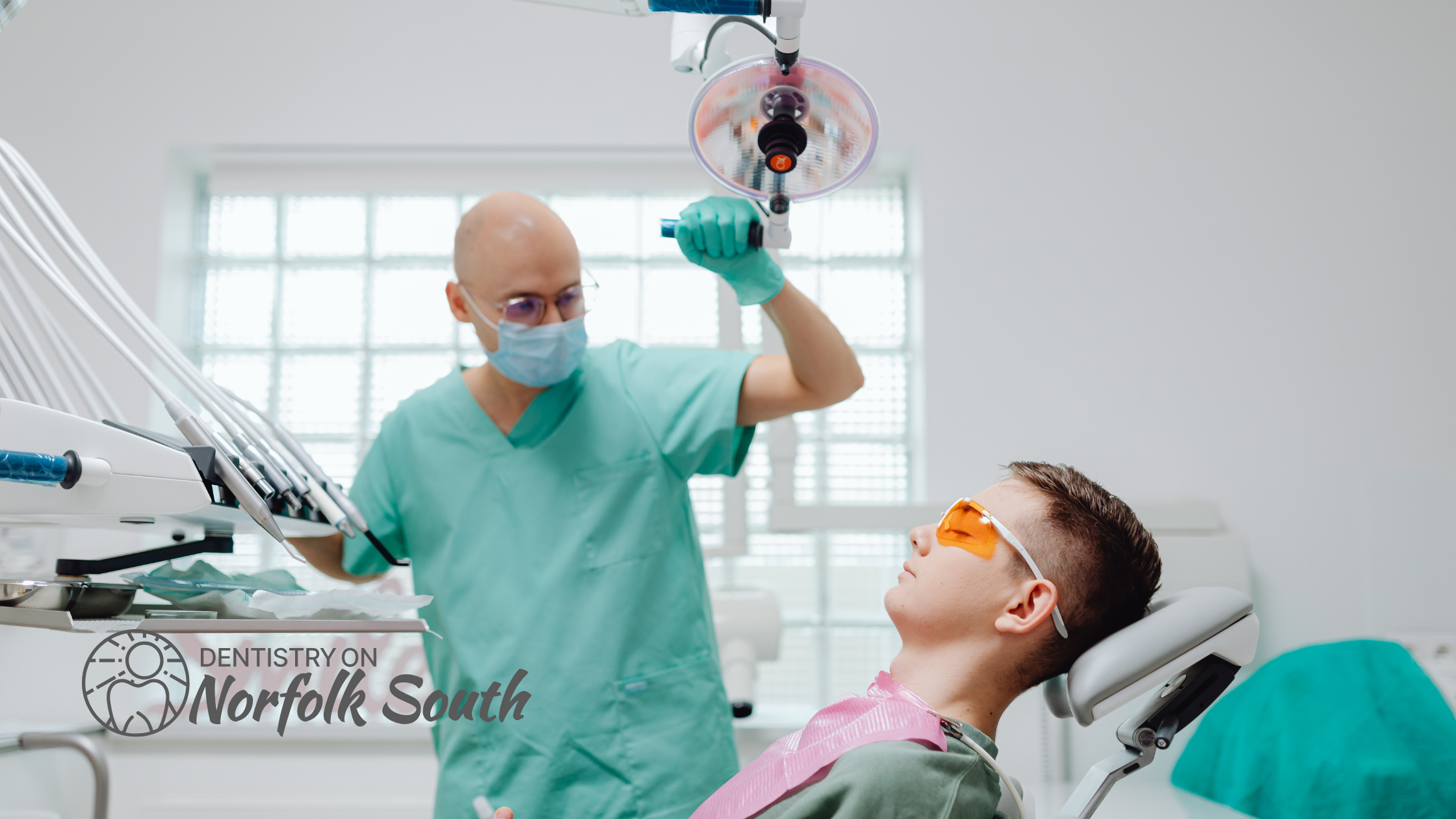
It’s crucial to understand that regular visits to a general dentist can significantly reduce the risk of needing more complex dental treatments in the future. Maintaining oral health through routine check-ups and preventive care can catch potential issues early, often leading to less invasive and more affordable solutions.
This proactive approach saves you time and money, helps keep your smile bright and healthy, and prevents severe conditions that could arise from neglect.
Key Takeaways:
-
Regular dental check-ups enable early detection and treatment of potential issues, reducing the likelihood of advanced treatments later.
-
Preventive care, including cleanings and fluoride treatments, helps maintain oral health and minimizes the risk of cavities and gum disease.
-
Patient education on proper oral hygiene practices empowers individuals to take control of their dental health, leading to fewer future complications.
The Importance of Preventive Care
Your oral health plays a significant role in your overall well-being. By prioritizing preventive care, you can effectively reduce the risk of developing complex dental issues that often require more invasive treatments.
Regularly addressing your dental health needs helps promote strong teeth and gums, saving you time and money in the long run.
Regular Dental Check-Ups
It’s important to schedule dental check-ups around twice a year. These visits allow your dentist to identify potential issues early, preventing them from progressing into more serious conditions.
Regular examinations help maintain optimal oral health and provide you with peace of mind.
Professional Cleanings
Behind every healthy smile is a commitment to professional cleanings. These sessions remove plaque and tartar and help identify any underlying issues needing attention.
Staying on top of your dental hygiene routine ensures your teeth and gums remain in shape. Professional cleanings are designed to combat the buildup of plaque and tartar, which regular brushing and flossing may miss.
These cleanings enhance your oral health, minimizing the risk of gum disease and cavities.
Without routine cleanings, these issues could escalate, leading to more serious complications such as tooth loss or the need for extensive dental work. Committing to regular professional cleanings ensures your smile remains vibrant and healthy for years.
Common Issues Addressed by General Dentistry
One of the primary roles of general dentistry is to address common dental issues that can lead to more complex procedures if left untreated. Regular check-ups and preventive care can help you avoid pain, time-consuming treatments, and excessive costs.
General dentistry focuses on maintaining oral health, from routine cleanings to early cavity detection, ensuring you keep your smile for years.
Cavities and Tooth Decay
Cavities and tooth decay begin when plaque builds up on your teeth. This sticky film is filled with bacteria that produce acids, leading to enamel erosion.
If not treated promptly, cavities can cause significant pain and require more invasive treatments like fillings or root canals.
Gum Disease
The health of your gums is just as important as your teeth. Gum disease, resulting from bacterial infections, can lead to inflammation, bleeding, and even tooth loss if not addressed.
Regular dental cleanings help keep gums healthy and prevent disease from progressing. Understanding gum disease can empower you to take action before it escalates.
Early signs often include swollen and bleeding gums, which may be easy to overlook. If you allow it to worsen, you risk experiencing periodontitis, leading to more severe complications like tooth loss and even affecting your overall health.
Regular visits to the dentist and proper oral hygiene practices can effectively combat this issue. You can maintain a beautiful smile and preserve your long-term oral health by prioritizing gum health.
The Role of Patient Education
Patient education enhances one’s understanding of oral health and empowers one to take proactive steps to prevent dental issues. By learning about the importance of regular check-ups, proper brushing techniques, and the impact of diet on teeth, one can significantly reduce the risks of needing more complex procedures in the future.
Home Care Techniques
For optimal oral health, you should implement effective home care techniques such as brushing at least twice daily with fluoride toothpaste and flossing once daily. These habits help remove plaque and food particles, preventing cavities and gum disease; ultimately, they minimize the need for more invasive treatments.
Nutritional Guidance
Before visiting your dentist, consider how your diet affects your oral health. Making informed dietary choices can help protect your smile and enhance your overall well-being.
Nutrition profoundly impacts dental health. Foods high in sugar and acid can lead to decay and erosion, putting teeth at risk.
Focusing on a balanced diet rich in calcium, phosphorus, and vitamins can strengthen teeth and minimize harmful bacteria in the mouth. Incorporating fruits, vegetables, whole grains, and lean proteins supports overall health and promotes strong teeth and gums, reducing the likelihood of dental issues later on.
Early Detection and Treatment
Unlike complex procedures often arising from untreated dental issues, general dentistry focuses on early detection and proactive treatment. This approach allows you to address potential problems before they escalate, saving you time, discomfort, and money in the long run.
Identifying Issues Early
Identifying dental issues early can prevent more severe complications later. Regular check-ups enable your dentist to spot cavities, gum disease, or other concerns while they are still manageable.
This process ensures you maintain a healthy smile and prevents minor issues from becoming major problems.
Treatment Plans for Preventive Care
Care in your dental routine can significantly enhance your overall oral health. By following personalized treatment plans designed by your dentist, you can take actionable steps to prevent future dental problems.
These plans often include professional cleanings, fluoride treatments, and personalized advice on home care. The emphasis on treatment plans for preventive care is about providing you with tailored strategies that suit your unique needs.
Your dentist may recommend specific cleaning schedules, dietary adjustments, or even at-home care products to help reduce the risk of cavities and gum disease. Committing to these plans not only preserves your smile but can also lead to a healthier life overall, lowering the chances of needing invasive procedures in the future.
Cost-Effectiveness of General Dentistry
Despite the initial investment in regular visits to a general dentist, the overall cost-effectiveness becomes evident over time. By prioritizing preventive care, you can avoid the high expenses associated with more complex procedures.
Investing in general dentistry can keep your oral health in check and save you significant amounts on treatments resulting from neglect.
Financial Benefits of Prevention
Dentistry is not just about treating issues as they arise; it emphasizes proactive measures that prevent dental problems from developing. By receiving routine cleanings and examinations, you can identify early signs of decay or gum disease, allowing for less invasive treatments and lower costs in the long run.
Long-Term Savings on Dental Care
Benefits of maintaining regular dental check-ups extend beyond immediate cost savings. By focusing on your oral health through preventive measures, you can drastically reduce the likelihood of needing complex procedures later on, which often come with higher costs and more extensive recovery times.
But when you invest in regular general dentistry, you minimize the risk of serious dental issues that lead to expensive treatments. Cavities, root canals, and oral surgeries can require significant financial resources and time away from daily life.
By prioritizing prevention, you save money while maintaining a healthy smile, which ultimately translates to long-term economic stability in dental care.
Building a Relationship with Your Dentist
After establishing a relationship with your dentist, you can foster a partnership prioritizing your oral health. This ongoing connection allows for a more profound understanding of your needs and concerns, enabling your dentist to provide tailored solutions to maintain and enhance your smile.
Regular visits create a comfortable environment where you feel confident discussing your dental health.
Trust and Communication
Among the key components of effective dental care is trust. When you trust your dentist, open communication becomes more manageable, allowing you to voice any concerns or questions.
This transparency helps build rapport and ensures your dentist can provide the best care tailored to your needs.
Personalized Care
A relationship with your dentist extends beyond simple visits; it involves a commitment to personalized care that considers your unique dental history and lifestyle. Your dentist can adapt treatments based on your specific needs, preferences, and goals, ensuring you receive comprehensive care that resonates with you.
An ongoing relationship with your dentist allows for more profound insights into your dental habits and history, making it easier to spot potential issues before they escalate.
This personalized care means your dentist can recommend tailored preventative strategies, ensuring that your oral health remains stable and reducing the need for more complex procedures in the future. You’re investing in a healthier smile for years by prioritizing this connection.
If you have any queries or want to learn more about how general dentistry might reduce the need for more complex dental procedures, we welcome you to contact us. To keep your oral health at its best, our team at Dentistry on Norfolk is dedicated to providing outstanding dental care with a focus on preventive measures.
We believe in a proactive approach to dental care, addressing symptoms before they become more significant problems. Visit our Contact Page for further details.
Let us be your partner in maintaining optimal dental health, avoiding unnecessary complications, and enjoying a beautiful, healthy smile for years.
Ready to Book Your Visit?
Our team at Dentistry on Norfolk South is here to help. Request an appointment online or give us a call.