
Simcoe Dentist Shares Common Dental Issues Seen in Winter
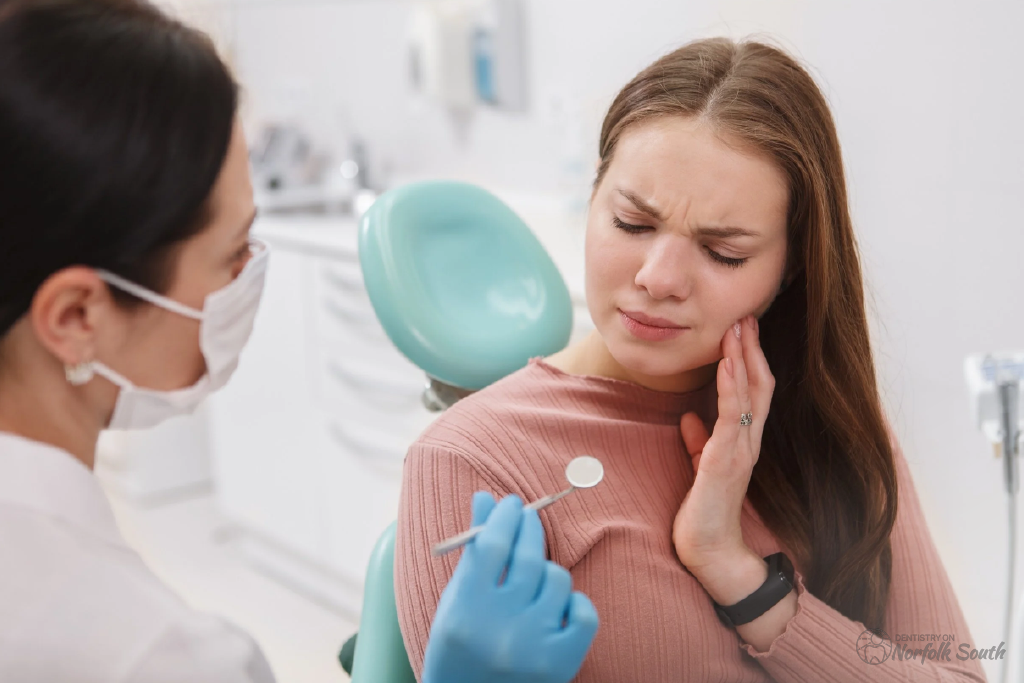
Winter weather brings snow, cold air, and cozy moments, but it can also bring dental problems that many people overlook. In this blog, a Simcoe dentist shares common dental issues seen in winter and how you can protect your smile during the chilly months. If you’ve ever typed dentist near me into your phone when your teeth suddenly hurt, you’re not alone. Many winter dental concerns are predictable and preventable.
At Dentistry on Norfolk, we help patients stay ahead of winter-related dental challenges so you can enjoy the season without unnecessary discomfort.
Tooth Sensitivity to Cold Temperatures
One of the most frequent winter dental issues is tooth sensitivity. When the air is cold, or you sip hot drinks followed immediately by cold air, the temperature change can trigger sharp sensations in your teeth.
Sensitivity often occurs when:
- Enamel wears down
- Gums recede, exposing dentin.
- Cracks or weakened spots exist.
If you notice sharp reactions to cold air, talk to your dentist in Simcoe. Treatment options like desensitizing toothpaste or fluoride applications can help protect tooth surfaces and reduce pain.
Dry Mouth From Indoor Heating
Winter usually means warm interiors, but heated indoor air is dry air. Reduced humidity and dry heat can cause dry mouth, a condition where less saliva is produced. Saliva plays a vital role in protecting your teeth by:
- Washing away food particles
- Neutralizing acids
- Supporting enamel strength
With less saliva, bacteria have more opportunity to thrive, increasing the risk for cavities, bad breath, and gum issues. Staying hydrated and chewing sugar-free gum can help stimulate saliva and support your mouth through winter.
Gum Irritation and Sensitivity
Dry indoor air, holiday indulgences, and rushed brushing routines can contribute to gum irritation. Gums may become tender, red, or more likely to bleed during brushing or flossing.
Gum irritation is often an early sign of gum disease, so it’s important not to ignore it. Regular dental exams help catch inflammation early, before it progresses into more serious periodontal concerns.
Increased Risk of Cavities
Colder weather and winter habits can raise the risk of cavities. Many people enjoy sweet treats, hot chocolate, and seasonal snacks during the winter months. Frequent exposure to sugary foods and drinks feeds the bacteria that produce acids and erode enamel.
Routine brushing and professional cleanings help reduce cavity risk, but staying mindful of dietary habits makes a big difference, too.
Cracked or Chipped Teeth
While cold temperature alone doesn’t cause teeth to break, eating ice, hard winter treats, or chewing on hard food can lead to cracked or chipped teeth. Sudden temperature changes, like moving from warm indoors to freezing outdoors, can make enamel more sensitive and vulnerable.
If a tooth chips or cracks, seeing a dentist quickly protects the tooth from further damage and infection.
Jaw Pain and Teeth Grinding
Winter stress, teeth clenching, and changes in routine often cause or worsen bruxism, a habit of grinding or clenching teeth. People who grind their teeth may notice:
- Sore jaw muscles
- Headaches
- Flattened chewing surfaces
- Increased sensitivity
A customized nightguard from your dentist can help protect teeth from the wear caused by grinding, especially during the winter months when cold and stress can trigger it.
Sinus-Related Tooth Discomfort
Cold and flu season can bring sinus congestion, and sinus pressure sometimes presents as upper tooth discomfort. Many patients mistake sinus pain for a dental problem when, in fact, the pressure on sinus cavities refers pain to nearby teeth.
A dentist can help distinguish dental pain from sinus pain, ensuring you get the right care for the real cause.
Holiday Eating and Inconsistent Routines
Holidays often come with irregular eating patterns, sweets, and rich foods — all of which affect your dental health. Combine that with late nights and rushed morning routines, and brushing or flossing can get skipped more often than usual.
These small deviations from your routine can contribute to plaque buildup and irritation, making winter checkups especially important.
What You Can Do at Home
To keep your smile healthy through winter:
- Brush twice a day with fluoride toothpaste
- Floss daily, even during busy holiday weeks
- Drink plenty of water to support saliva production.
- Limit sugary and acidic foods.
- Wear a mouthguard if you grind your teeth.
These habits help reduce many of the common dental issues seen in winter.
When to See Your Simcoe Dentist
If you experience persistent pain, sensitivity that doesn’t improve, bleeding gums, or sudden dental damage, it’s time to book a visit. Early care makes treatment more comfortable and prevents minor problems from becoming bigger ones.
If you’ve been typing dentist near me because winter has brought dental discomfort, contact Dentistry on Norfolk, your trusted dental clinic in Simcoe. Our team is here to help you enjoy a healthy smile all season long with preventive care and expert treatment.
Book your winter dental checkup today and protect your oral health through every season.
Ready to Book Your Visit?
Our team at Dentistry on Norfolk South is here to help. Request an appointment online or give us a call.